From Pilot to Production - What the NY AI Summit Revealed About the Talent Crisis
.jpeg)
The Javits Center was packed. Over 5,000 enterprise leaders, AI practitioners, and technology innovators converged on New York City for the 10th anniversary of the AI Summit. But beneath the excitement about the latest models and capabilities, a quieter conversation was unfolding in hallways, at networking sessions, and during panels: Where do we find the people to actually build this?
After two days of intensive sessions featuring speakers from Capital One, Wells Fargo, IBM, EY, and dozens of Fortune 500 companies, several themes emerged that should shape how FinTech and SaaS companies approach AI talent strategy. Here's what we learned, and what it means for staffing in 2025.
Why Most AI Projects Never See Production
One statistic drew knowing nods in session after session:
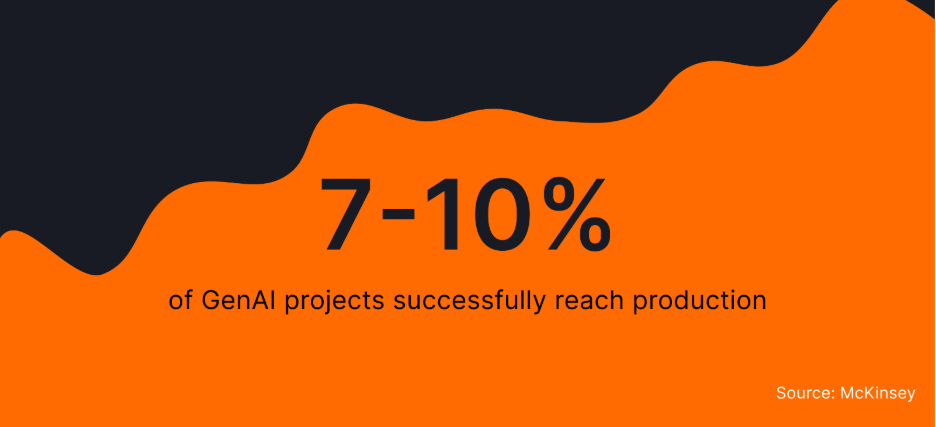
Matthew Fraser, NYC's Chief Technology Officer, referenced this figure during his opening keynote. Fraser manages a technology budget exceeding several billion dollars. His message to the crowd: "With great power comes great responsibility."
The gap between prototype and production explains most failures. Building a proof-of-concept requires data scientists and ML engineers. Deploying to production demands MLOps engineers, platform specialists, and compliance-aware architects. Different phases, different skill sets.
The Rise of Agentic AI
If there was a single dominant theme across the Summit's 10 stages and 350+ speakers, it was agentic AI: autonomous systems that don't just answer questions but take actions.
IBM demonstrated multi-agent systems handling complex enterprise workflows. EY showed case studies of agentic AI coordinating across compliance, audit, and execution teams. Speakers from Unilever, Paramount, and JLL discussed how they're deploying autonomous agents that orchestrate across their operations.
Between 2024 and 2025, companies stopped asking for "people who can prompt GPT" and started needing architects who can build multi-agent systems that autonomously execute workflows.
What This Means for Talent Strategy
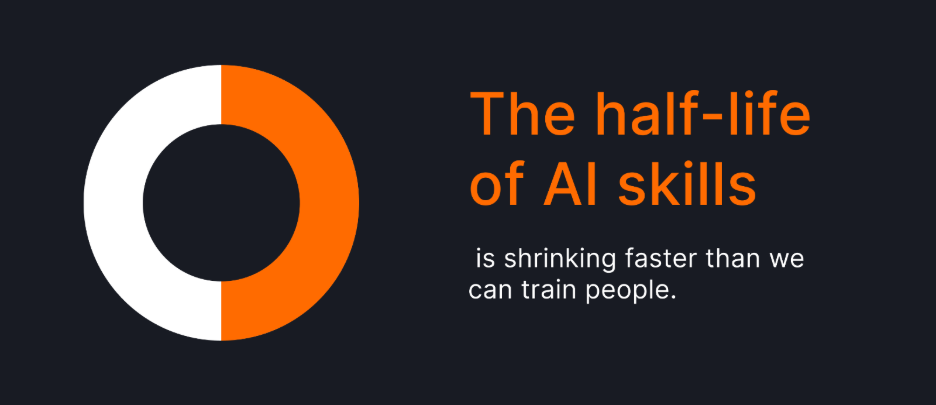
Skills decay faster than hiring cycles. The engineers who built your RAG pipeline six months ago may lack experience with agentic frameworks shipping today. The permanent hires you spent nine months recruiting may need retraining before onboarding ends.
The New Talent Model
Leading companies structure teams in three layers:
- Core permanent team: Strategic direction and institutional knowledge
- Rotating specialists: Current expertise in emerging frameworks, cycling out as tools evolve
- Embedded partners: Long-term contractor relationships with continuity, without permanent headcount
Technology moves faster than traditional hiring can accommodate. The hybrid model matches skill acquisition to that pace.
The Bottom Line
The summit showcased impressive technology, but the real story happened between sessions. Enterprise leaders are facing a fundamental shift: traditional team-building doesn't work when the technology landscape changes every six months.
For technology companies, the challenge compounds with regulatory constraints, legacy systems, and domain-specific requirements that generalist talent can't navigate. The companies winning in 2026 will be those building flexible, hybrid staffing models that adapt at the pace technology demands.
We're looking forward to continuing these conversations in 2026 at:
- Generative AI Expo in February (Florida)
- T3 Technology Conference in March (New Orleans)
- Gartner Digital Workplace Summit in March (San Diego)
and many more. If you're attending, let's connect and meet there.

What HR Media Picked Up When Geni Launched
Geni launched in September. Here is what HR and tech media wrote about it, and the hiring numbers sitting underneath the coverage.

Why fraud and application overload are the same problem - and what it takes to solve both
Recruiters have never had more applicants to choose from. They have never had less certainty about who those applicants are. We look at how volume and fraud became one problem, and what it takes to fix it at the source.
Hiring Is Getting Harder in GovCon, and Here's What It's Costing Contractors
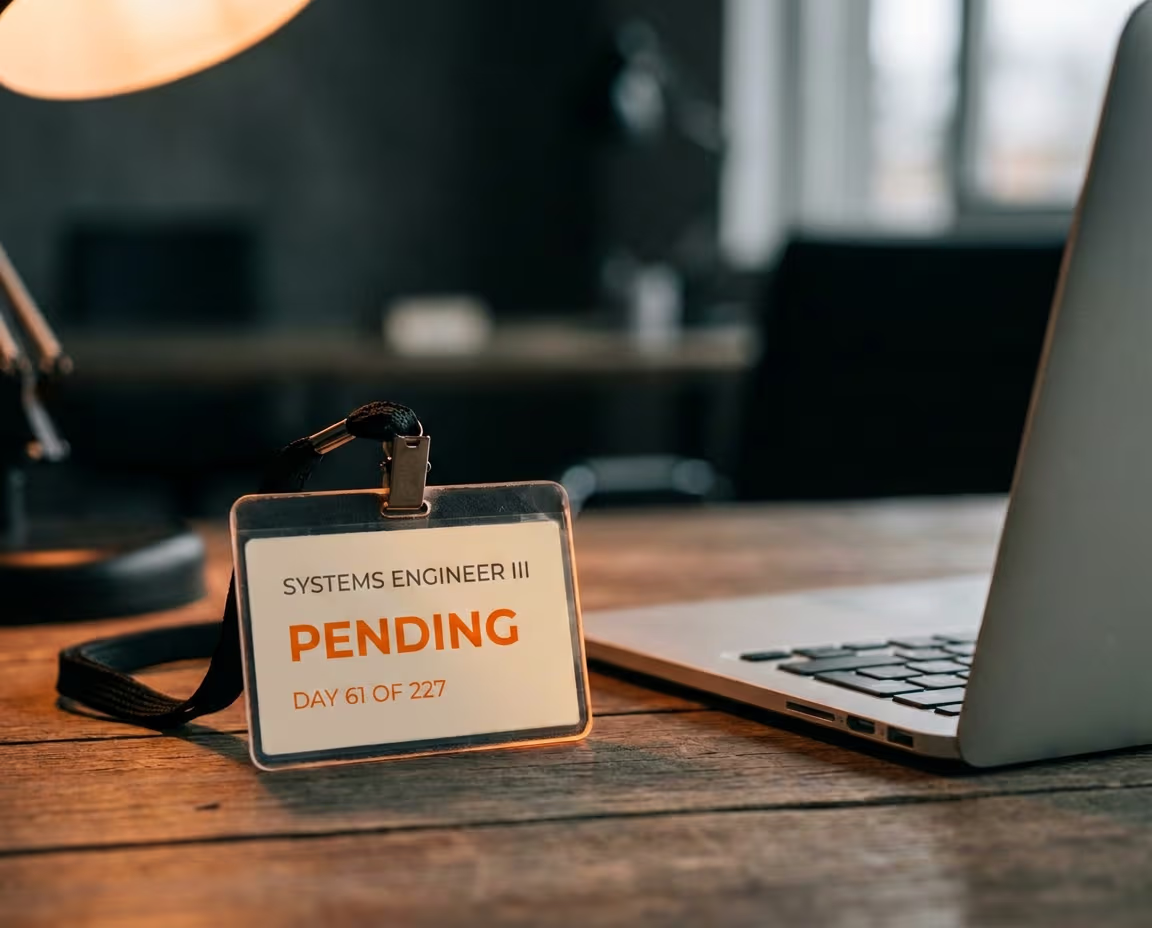
Intro for the blog page A bad hire in GovCon doesn't cost you a salary. It costs you a CPARS rating, and CPARS follows you into the next recompete. Here's how one screening decision reaches an award you haven't bid yet.